
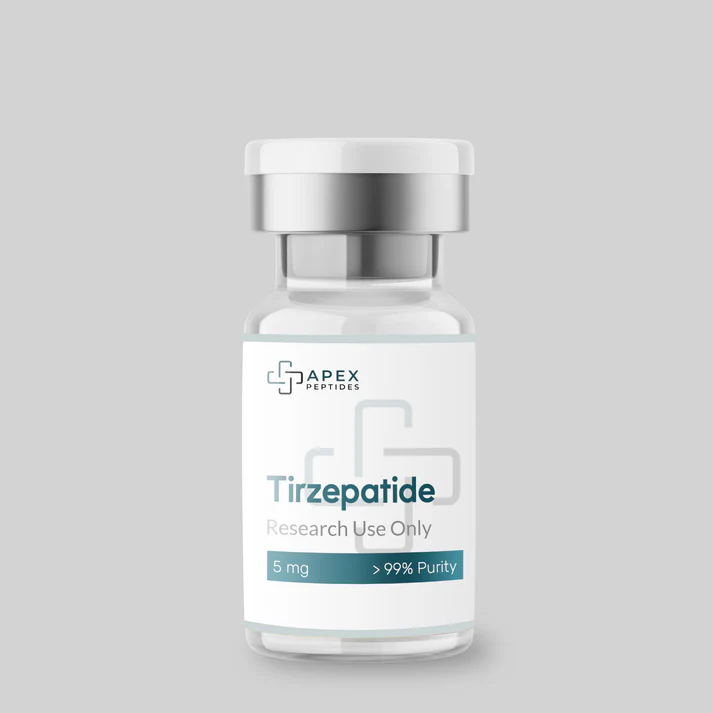
In modern scientific research, peptides have become one of the most versatile tools for discovery and innovation. Yet one of the most common questions researchers still face is where to buy lab peptides they can actually rely on. The difference between authentic, lab-tested peptides and low-grade products can completely change the outcome of a study. When purity, safety, and accuracy matter most, your source matters even more.
Understanding the Role of Peptides in Research
Peptides are short chains of amino acids that play a crucial role in biological signaling, tissue repair, and protein synthesis. Scientists use them for a variety of studies — from exploring anti-aging effects to understanding cellular regeneration. However, finding where to buy lab peptides that meet the highest standards of purity remains a challenge, especially with so many online suppliers emerging each year.
Not all peptides are created equally. Research-grade peptides require strict synthesis controls and validation through HPLC and Mass Spectrometry to confirm purity and composition. Any compromise in quality can lead to inaccurate data, wasted resources, and disrupted progress in vital experiments.
How to Find a Good Supplier of Peptides
When deciding where to buy lab peptides, quality assurance should be your priority. A credible supplier will always provide batch reports, certificates of analysis, and transparent details about production methods. Look for companies that test every batch for impurities and adhere to international research standards.
It’s also essential to consider the consistency of supply and communication. Reputable suppliers will handle your orders efficiently, answer technical questions promptly, and provide guidance on peptide handling and storage. The best research vendors focus on building trust, not just making sales.
The Importance of Verified Purity and Testing
The key to choosing where to buy lab peptides lies in verifiable data. High-purity compounds, ideally above 98%, reduce experimental variability and improve reproducibility — two essential elements of credible research. Testing data such as HPLC chromatograms or mass spec reports, are strong indicators of reliability.
If your supplier cannot provide this documentation, that’s a red flag. A professional peptide vendor will make such reports readily available, ensuring that researchers have full confidence in the materials they use.
How Apex Peptides Supports Research Integrity
At Apex Peptides, every compound is designed with one goal: to support research that changes what’s possible in science. Each peptide undergoes careful synthesis, batch verification, and quality testing to ensure it meets global research standards. For professionals wondering where to buy lab peptides that reflect excellence, consistency, and traceability, the brand has become a trusted name in the field.
Ethical and Legal Considerations
One of the most overlooked aspects when choosing where to buy lab peptides is compliance. Reputable suppliers are always transparent about their intended use — research purposes only — and they avoid marketing peptides for human consumption. Ethical compliance ensures that your research remains within legal and professional boundaries.
Selecting an unverified vendor could expose you to regulatory risks, especially if the source mislabels or falsely markets their products. Reliable companies maintain clear distinctions between research materials and consumer goods, protecting both their clients and the scientific community.
The Growing Demand for Reliable Peptide Vendors
As peptide-based studies expand into fields like regenerative medicine and biochemistry, more researchers are searching for where to buy lab peptides they can trust. The growing market has attracted both legitimate manufacturers and unverified resellers, making it vital for scientists to recognize authentic suppliers.
Trustworthy vendors often invest heavily in quality control, advanced synthesis techniques, and data validation. This commitment not only benefits researchers but also strengthens the scientific community by promoting reproducible, transparent findings.
Common Mistakes to Avoid When Buying Peptides
Many researchers fall into the trap of prioritizing price over quality. The cheapest option isn’t always the safest one. When exploring where to buy lab peptides, focus on certification, testing standards, and the vendor’s scientific credibility. Avoid platforms that lack clarity about peptide origin or fail to provide analytical reports.
Another mistake is neglecting proper storage. Even the highest-quality peptide can degrade if not handled correctly. Always follow the supplier’s storage recommendations to maintain peptide stability and research accuracy.
FAQ’s
Q1: How do I identify a trustworthy peptide supplier?
Choose vendors that provide third-party lab results, have positive scientific reviews, and maintain transparent business practices.
Q2: Can I use peptides purchased online for human testing?
No. Lab peptides are strictly for research use and not approved for human or animal consumption.
Q3: What purity level should I look for?
Aim for peptides with at least 98% purity to ensure precise and reproducible data.
Q4: Why does the source matter so much?
Knowing where to buy lab peptides means protecting your research from contamination, inconsistency, and regulatory issues.
Final Thoughts
The search for where to buy lab peptides should always begin with one guiding principle — trust. In a field where accuracy defines success, choosing a vendor who values purity, transparency, and scientific integrity is the smartest investment a researcher can make.
With growing global demand, it’s easy to get lost among hundreds of online sellers. Yet, only a few stand out for their dedication to verified research standards and long-term credibility. Whether you’re conducting molecular studies, testing biological sequences, or exploring new applications, knowing where to buy lab peptides from a reliable source is the foundation of meaningful results.
In the end, quality peptides don’t just support experiments — they drive progress, innovation, and discovery.