
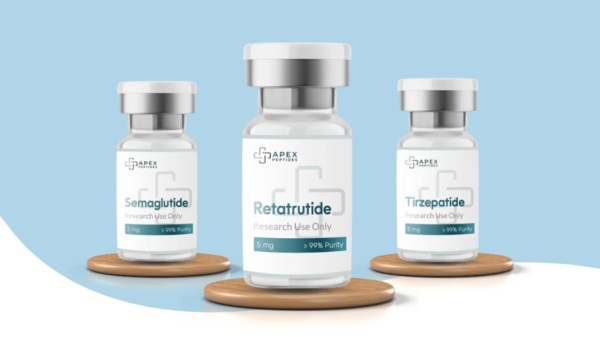
Quality matters in peptide research. Results depend on precision, purity, and consistency. This is why researchers look closely at manufacturing standards when searching for lab-grade peptides for sale. Not all peptides meet the same benchmarks, and slight differences in production can affect outcomes.
At Apex Peptides, we focus on manufacturing discipline. We follow strict standards to support reliable research use. In this article, we explain how lab-grade peptides are produced, tested, and verified, and why these steps matter when choosing a supplier.
Why Manufacturing Standards Matter for Lab-Grade Peptides for Sale?
Researchers can expect both reproducibility and accuracy when looking for lab-grade peptides. The Quality Control standards outline how the peptides must be created, purified, tested, and stored before they leave the manufacturer.
Without them, researchers cannot place their complete trust in the company supplying these products.
Controlled Synthesis as the Foundation of Quality
Peptide quality starts with synthesis. We use controlled solid-phase peptide synthesis methods. Each amino acid is added step by step under monitored conditions.
This controlled process reduces sequence errors. It also ensures structural consistency. Reliable synthesis is essential for producing lab-grade peptides suitable for research environments.
Raw Material Selection and Verification
Manufacturing standards require strict control over raw materials. We source verified amino acids and reagents from trusted suppliers.
Before use, materials undergo quality checks. This step prevents contamination at the earliest stage. High-quality inputs lead to dependable lab-grade peptides for sale.
Purification Methods That Define Lab-Grade Quality
Synthesis alone is not enough. Purification determines final peptide quality.
We use advanced purification techniques, including high-performance liquid chromatography. These methods separate the target peptide from byproducts. The result is higher purity and better consistency.
Purification standards directly affect how researchers evaluate peptide performance.
Analytical Testing and Documentation
Testing confirms quality. We rely on analytical methods such as mass spectrometry and HPLC.
Each batch is tested to verify molecular weight and purity levels. We document results clearly. This transparency helps researchers make informed decisions when selecting lab-grade peptides.
Batch Consistency and Repeatability
Consistency across batches is essential in research. Variations can affect experimental reproducibility.
We standardize procedures across all production runs. This approach ensures that each batch meets the exact specifications. Researchers receive peptides they can trust over time.
Cleanroom Handling and Storage Standards
After synthesis and purification, handling becomes critical. Environmental exposure can degrade peptides.
We handle peptides in controlled environments. Proper storage conditions maintain stability. These steps preserve quality until delivery.
Strong handling protocols distinguish reliable suppliers from unreliable sources.
Packaging That Preserves Integrity
The standard manufacturing process includes package assembly. Packaging with insufficient quality may allow for water or dirt to infiltrate product packages. Sealed containers that meet research-quality specifications, along with labels containing information that enable tracking all items from origin through laboratory use. This keeps products labelled in good condition.
Compliance and Ethical Manufacturing Practices
Ethical and responsible manufacturing requires compliance. As part of our responsible manufacturing process, we ensure compliance with industry-recognized Lab Standard Requirements.
Ethical sourcing and transparency through the manufacturing process create confidence in Apex Peptides as the premier source for purchasing research peptides.
Case Study: Supporting a Research Lab with Consistent Quality
A university research lab required consistent peptide batches for a long-term study. Variability from previous suppliers caused delays.
We supplied lab-grade peptides for sale with documented purity and batch consistency. Over multiple orders, results remained stable.
The lab completed its study on schedule. This case highlights how manufacturing standards directly support research success.
How Researchers Evaluate the Best Site to Buy Peptides?
Researchers look beyond pricing. They assess documentation, testing transparency, and supplier reliability.
We provide precise specifications and batch data. This level of detail helps researchers identify the best site to buy peptides based on quality, not assumptions.
Common Manufacturing Mistakes to Avoid
- Some suppliers cut corners.
- Skipped purification steps or limited testing reduces quality.
We avoid these pitfalls through strict protocols. Manufacturing shortcuts may lower costs, but they compromise research reliability. Strong standards protect both supplier reputation and customer outcomes.
Why Transparency Builds Research Confidence?
Transparency is part of quality. We share relevant data without overcomplication.
Researchers can review purity levels, synthesis methods, and handling practices. This openness builds confidence in our lab-grade peptides.
Customer Reviews from Research Professionals
Daniel R., Research Associate
“We needed consistent peptides for repeat experiments. Apex delivered reliable quality every time.”
Laura M., Lab Manager
“The documentation provided made the evaluation easy. This is one of the best sites to buy peptides for serious research.”
Kevin T., Graduate Researcher
“Purity and consistency matched the specifications. Our lab workflow improved.”
How Manufacturing Standards Affect Long-Term Research?
Short-term experiments may hide quality issues. Long-term research exposes inconsistencies quickly.
Manufacturing standards ensure stability over time. Reliable suppliers support extended research without disruption.
FAQs
1. What defines lab-grade peptides?
They meet strict purity, synthesis, and testing standards intended for research use.
2. Why is purity essential?
Higher purity reduces experimental interference and improves reproducibility.
3. How can we verify peptide quality?
Review analytical data, including PLC and mass spectrometry results.
4. Are these peptides for clinical use?
No. Our peptides are for laboratory research use only.
5. What makes Apex Peptides a trusted supplier?
Transparent processes, consistent quality, and strong manufacturing standards.
Choosing the Right Supplier
Selecting a peptide supplier is a strategic decision. Manufacturing standards should guide that choice; quality begins with discipline. Every step matters, from synthesis to packaging. These practices define dependable lab-grade peptides for sale.
Final Thoughts
Manufacturing standards shape peptide quality. They influence consistency, reliability, and research outcomes.
At Apex Peptides, we focus on controlled processes and transparent testing. Our approach supports researchers who value precision and trust.
For those seeking lab-grade peptides for sale, manufacturing standards are not optional. They are essential. Choosing a supplier that prioritizes these standards helps ensure long-term research success and positions Apex Peptides as the best place to buy peptides for research needs.